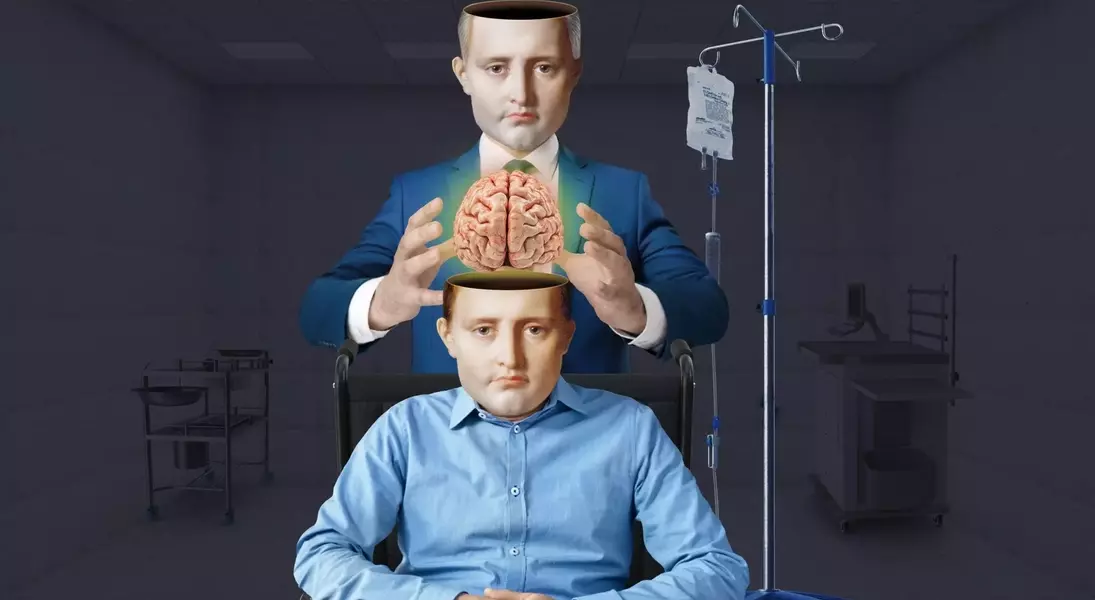
A peculiar dichotomy defines the current landscape of artificial intelligence: widespread public apprehension exists alongside an unprecedented surge in its application. Many individuals express strong reservations about AI's potential downsides, including concerns about its impact on society, ethical implications, and the rapid pace of its evolution. This growing distrust is evident in surveys and public discourse, where a significant portion of the populace anticipates more negative than positive outcomes from AI's advancement.
Nevertheless, the integration of AI into various sectors and daily life is expanding at an exponential rate. Businesses are investing heavily in AI-driven solutions to enhance efficiency, innovation, and competitive advantage. Simultaneously, consumers are increasingly interacting with AI in countless forms, from smart devices and personalized services to advanced analytical tools. This creates a compelling paradox: a technology that evokes both fear and fascination, prompting a deeper inquiry into the underlying reasons for its irresistible appeal despite prevailing anxieties.
Several theories attempt to unravel this complex relationship, suggesting that convenience, perceived benefits, and the sheer momentum of technological progress contribute to AI's widespread adoption. The narrative surrounding AI is constantly evolving, prompting ongoing debates about its regulation, ethical boundaries, and long-term societal effects. As AI continues to reshape industries and human experiences, fostering a balanced understanding of its capabilities and limitations remains crucial for navigating its transformative power responsibly and ensuring its development aligns with broader societal values and aspirations for a progressive future.