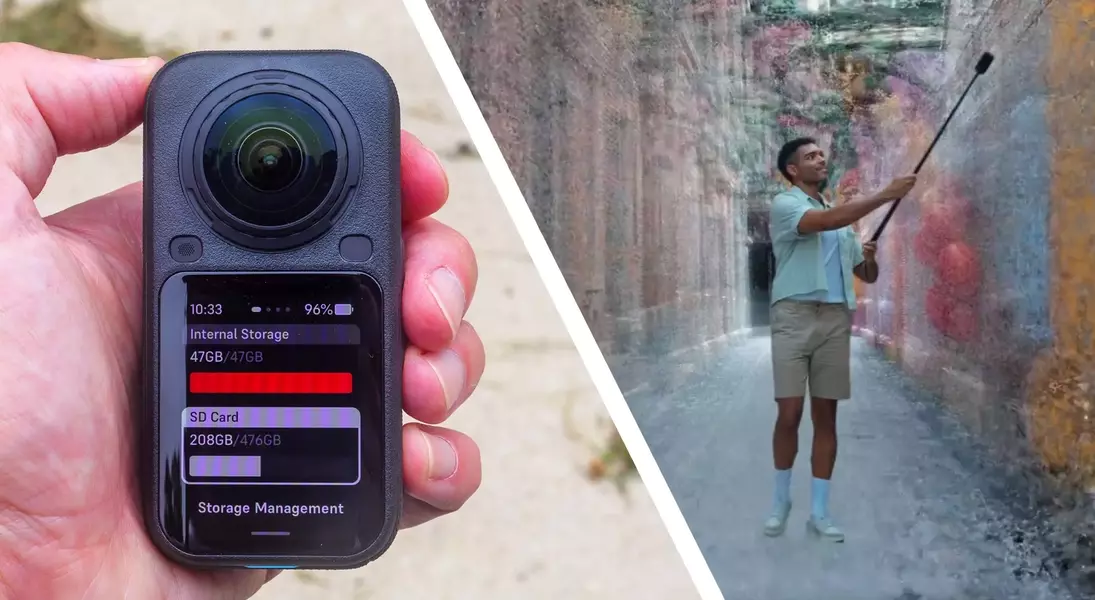
Insta360 has launched Spatial Capture, a new complimentary capability that converts 360-degree video into detailed, interactive 3D virtual spaces. Currently in its beta phase, this feature is now available for the Insta360 X6 via a firmware update and the accompanying app. Importantly, it extends compatibility to other 360 cameras from the company, including the X4 Air and X5, provided they can record at 5.7K resolution and 30 frames per second or higher.
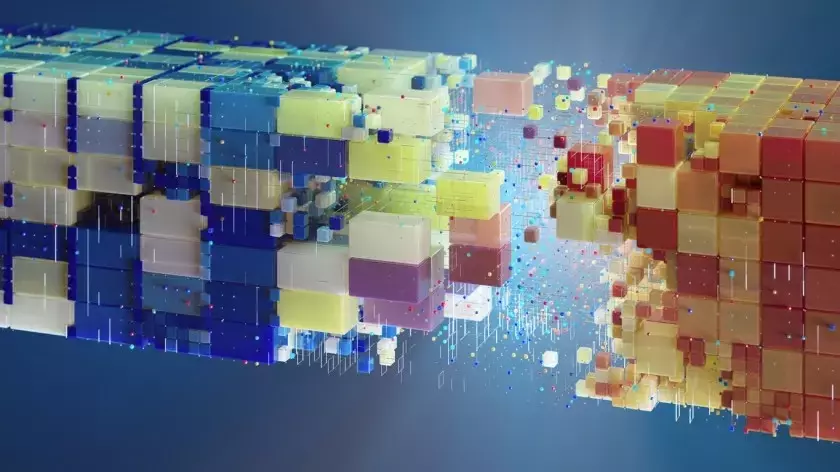
This innovative Spatial Capture technology is powered by 3D Gaussian Splatting (3DGS). This advanced technique processes video footage to precisely determine the camera's position at every moment, subsequently reconstructing the environment using millions of minute, translucent 'blobs'. Each blob is accurately sized, colored, and placed to faithfully reproduce the scene. The result is a highly realistic 3D environment that can be navigated from perspectives not originally captured by the camera. The omnidirectional recording capabilities of 360 cameras make them ideal for this process, as they minimize uncaptured areas that the software would otherwise need to interpolate. While other platforms like Splatica offer similar services on a subscription basis, with costs ranging from approximately .95 to 9.95 per month, Insta360's Spatial Capture provides users with four free renders each month, offering a more accessible option for enthusiasts.
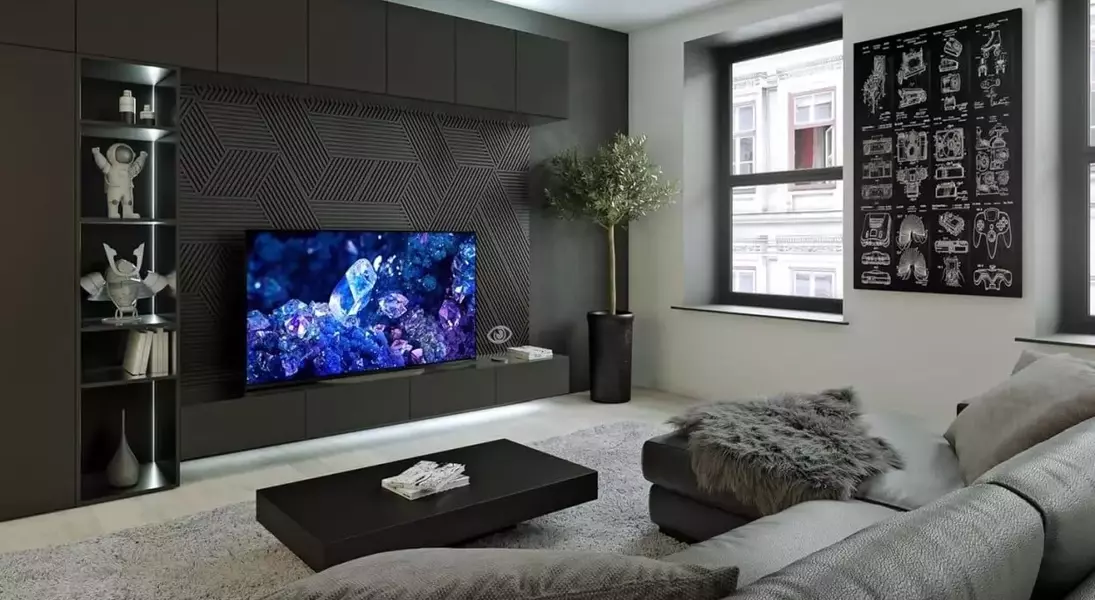
The creation of a Spatial Capture scene is straightforward. Users simply record a video of two minutes or less (with future updates expected to extend this limit), then connect their camera to the Insta360 app. From there, they access the Spatial Capture tab, select 'Create My Space', and choose their video clip. The processing occurs remotely in the cloud, with Insta360 recommending 8K at 30fps in either PureVideo or standard video modes for optimal quality. Specific shooting conditions are advised for best results, such as well-lit indoor areas, minimal subjects, and an area no larger than 100 square meters, indicating a focus on interior spaces rather than expansive outdoor landscapes. Once processed, these 3D scenes can be explored within the Insta360 app or conveniently shared via web links, allowing anyone to view them in a browser without needing to download an application. While there is no current option to export these scenes as standalone files, a feature offered by some competing platforms, this free addition significantly enhances the value proposition for Insta360 camera owners, particularly given the already high regard for devices like the Insta360 X6.
This development signifies a leap forward in personal 3D content creation, empowering users to digitally preserve and share their experiences in an entirely new dimension. By making sophisticated 3D scanning technology readily available, Insta360 not only enriches the user experience but also democratizes access to immersive digital content, fostering a more engaging and interactive way to document and relive moments.