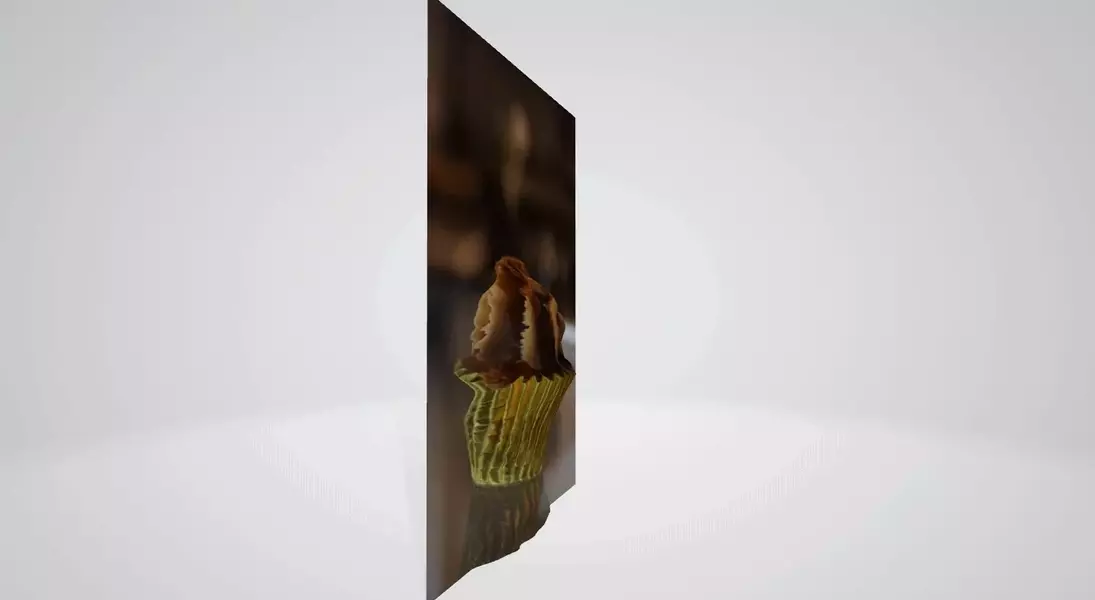
Canon has unveiled its Dual Pixel 3D (DP3D) technology, which utilizes the company’s existing Dual Pixel AF system found in many of its EOS mirrorless cameras. This innovative feature allows for the creation of immersive three-dimensional visuals, effectively transforming how photographers can approach depth and dimension in their work.
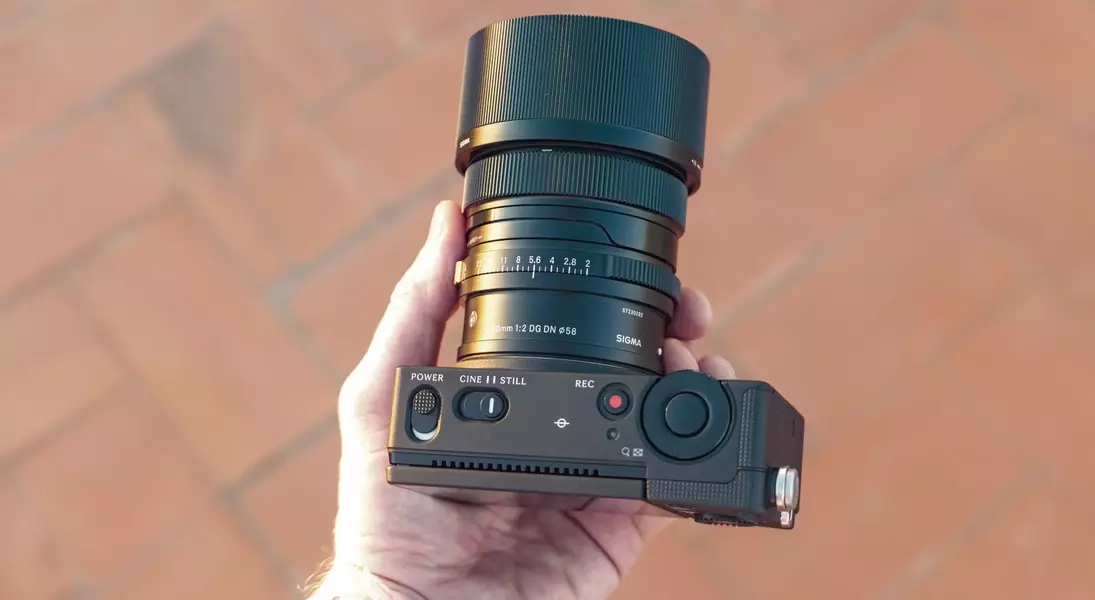
The new DP3D functionality, available through Canon’s Dual Pixel 3D Converter application, enables photographers to produce 3D images and videos from compatible cameras. This is particularly good news for owners of various Canon EOS mirrorless cameras with Dual Pixel AF, including older models like the EOS R5 and EOS R6 Mark II, as they can benefit from this feature without requiring significant hardware upgrades. To get started, users need to ensure their camera is set to capture Dual Pixel RAW files and is paired with one of the compatible RF lenses, as EF or EF-S lenses are not currently supported. Optimal results are achieved when subjects are placed against clean backgrounds with minimal depth variations, and specific camera settings, such as aperture not exceeding f/5.6 and ISO below 1600, are recommended.
The DP3D Converter app, currently available for Windows 11, guides users through the process of installing the software and importing their Dual Pixel RAW files. The application offers tools to fine-tune the depth effect, allowing for either subtle or pronounced 3D appearances. Users can isolate subjects, modify backgrounds, and export their creations as 3D models (OBJ or GLB files) for further editing in external software like Blender, or as short preview videos. While the preview videos offer limited customization, exporting 3D models provides greater flexibility for manipulating angles, rotation, and lighting, offering enhanced creative control for both still images and dynamic video sequences.
Ultimately, Canon's DP3D technology represents an interesting step in image generation, providing additional functionality for existing camera owners. Although the results can sometimes be limited in their application and may appear less refined compared to advanced AI-driven solutions, it offers a novel approach for specific creative needs, such as animating product shots for marketing purposes. As technology advances, AI's ability to generate new pixels could eventually offer more seamless and realistic 3D effects, surpassing the current pixel manipulation capabilities of DP3D.